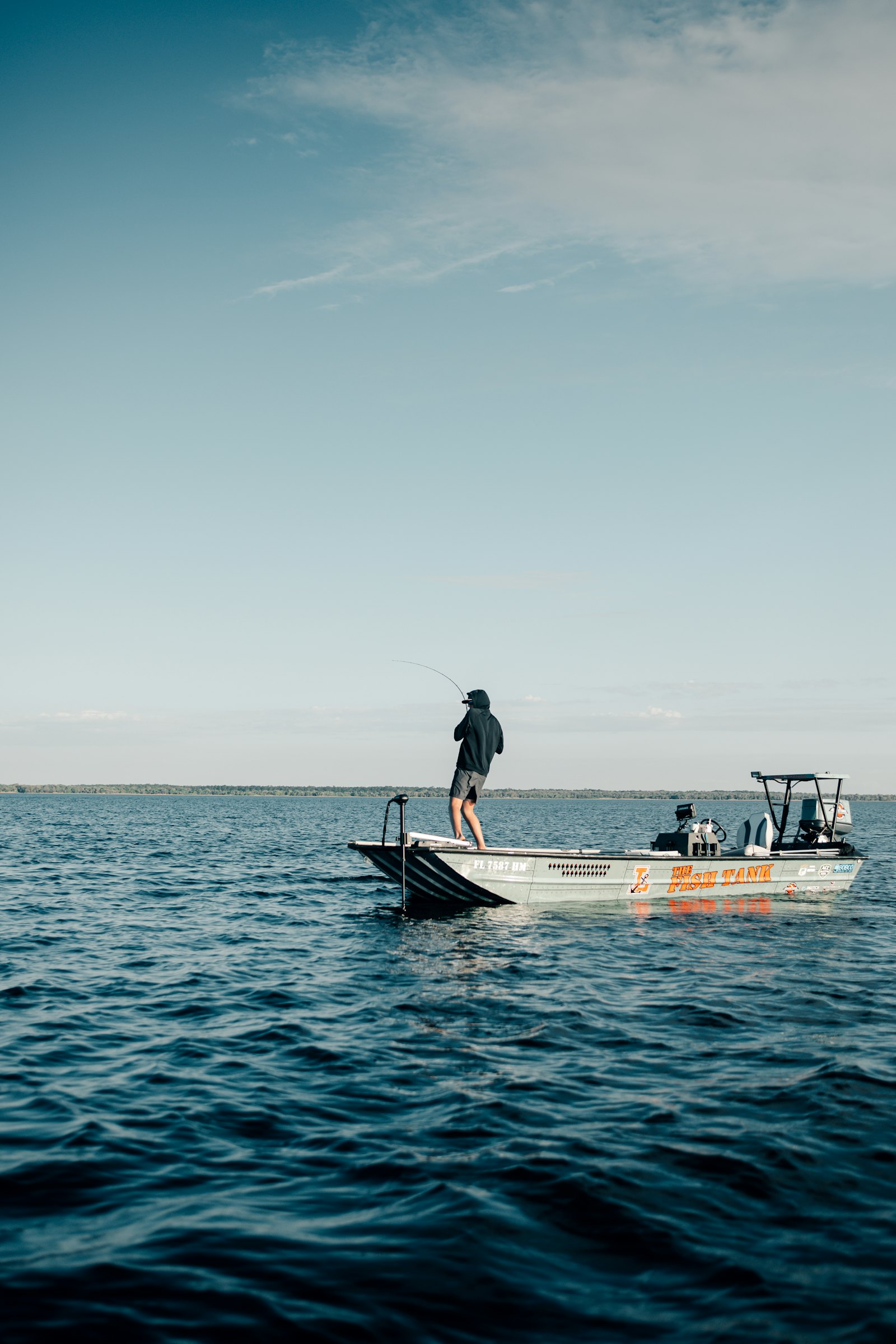
There’s a reason snook are the most obsessed-over inshore fish in Florida. They hit like a freight train, they fight dirty, and they’re smart enough to humble you on your best day. Hook a 30-incher next to a dock piling and you’ll understand why anglers drive hours and lose sleep chasing this fish.
This is everything we’ve learned catching snook across Tampa Bay, the Keys, and the Southeast Coast — where to find them, when they bite, and exactly what to throw.
🎥 Watch: How to Catch Snook in the Summer
A solid summer-snook breakdown from the team at Salt Strong.
Know Your Quarry
Snook (Centropomus undecimalis) are a warm-water, structure-loving ambush predator. That yellow lateral line and jutting lower jaw are unmistakable. A few things that make them tick:
- They hate cold. Snook get sluggish below 60°F and can die off in hard freezes. They stack into warmer water — canals, power plant outflows, deep holes — all winter.
- They’re ambush feeders. Snook sit tight to structure facing into current and wait for bait to wash by. Find the current seam, find the snook.
- They’re light-sensitive. That big eye is built for low light. Dawn, dusk, and night around dock lights are prime time.
When to Catch Them (Florida Snook Seasons)
| Season | What’s happening | Where to fish |
|---|---|---|
| Spring | Pre-spawn feed-up, fish moving toward passes | Beaches, passes, flats |
| Summer | Spawn season — big females stack in passes and beaches | Passes, beaches, inlets |
| Fall | Aggressive feeding before winter — the mullet run lights them up | Beaches, inlets, flats, bridges |
| Winter | Sluggish, holed up in warm water | Canals, rivers, deep holes |
A note on harvest: Snook are tightly regulated and require a snook permit on top of your saltwater license. Seasons and slot limits change by coast and year, and in mid-summer harvest is closed on both coasts (catch-and-release only). Always check the current rules before keeping a fish — our Florida snook season 2026 guide breaks down every slot limit, open date, and closure by coast, and it’s the one part of snook fishing you can’t wing.
Where to Find Snook
Think structure + current + ambush point:
- Dock lights at night — the single best way for a new angler to catch a snook. Lights attract bait; snook sit in the shadow line and pick them off. (We break down the after-dark game in our night snook fishing guide.)
- Mangrove shorelines — especially points and cuts on a moving tide.
- Bridges and passes — current funnels bait; big snook live here, especially in summer.
- Beach troughs — in summer, snook cruise the first trough right off the sand. Sight-fishing them in clear water is a rush.
Tide matters more than time of day. A moving tide — incoming or outgoing — gets snook feeding. Slack tide usually shuts them off.
Tackle: What We Fish for Snook
Snook will test your gear, especially when they run for structure. Here’s a setup that handles them:
Rod: A 7′ to 7′6″ medium-heavy, fast-action spinning rod gives you the backbone to turn a fish before it reaches the pilings. The St. Croix Mojo Inshore (medium-heavy) is a proven snook stick — see our full roundup of the best inshore spinning rods for Florida for more options.
Reel: A 3000–4000 size sealed saltwater reel. Around heavy structure you want stopping power — the Daiwa BG MQ 3000 (22 lbs of drag, built to muscle fish out of pilings) or the Penn Spinfisher VII 3500 are our go-tos. Want to spend less? The Penn Battle IV 3000 handles most snook just fine. (See our full reel breakdown for the deep dive.)
Line: 15–20 lb braided line for casting distance and zero stretch — our guide to the best braided line for Florida saltwater covers the trade-offs.
Leader: This is non-negotiable. Snook have sandpaper mouths and live in structure, so run 30–40 lb fluorocarbon leader. Lighter and you’ll get cut off.
Best Baits and Lures
Live bait is hard to beat: a lively scaled sardine (whitebait), pilchard, or pinfish on a 3/0–4/0 circle hook will get bit when nothing else will. (Here’s how to catch and keep your own live bait.) Circle hooks also hook fish cleanly in the corner of the mouth for healthy releases. A popping cork above your bait calls fish in over grass flats.
Throwing artificials? Our top three:
- Soft plastic paddletail (white or natural) on a jighead — the Z-Man DieZel MinnowZ is a Florida staple. Match the hatch and work it slow.
- Topwater walking bait at dawn — the Heddon Super Spook Jr. draws explosive blowups around mangroves and lights. See our 7 best topwater lures for Florida inshore for the full lineup.
- Twitchbait/jerkbait — the MirrOlure MirrOdine suspends in the strike zone and is deadly in cooler water.
How to Land a Snook (Not Just Hook One)
- Lock down early. The instant it’s hooked, a snook bolts for structure. Set your drag firm and turn its head immediately. Hesitate and it’ll wrap you.
- Pull them away from the danger. Use that medium-heavy rod to lead the fish into open water before you fight it properly.
- Don’t over-tighten on the run. Once it’s in open water, let the drag do its job on those head-shaking runs.
- Handle with care. Wet your hands, support the belly, keep it in the water, and revive it before release. These fish are too valuable to kill with bad handling.
Quick-Start Checklist
- 7′–7′6″ medium-heavy spinning rod
- 3000–4000 sealed reel (Daiwa BG MQ, Penn Battle IV, or Penn Spinfisher VII)
- 15–20 lb braid + 30–40 lb fluoro leader
- Circle hooks + live whitebait, or paddletails / topwater / twitchbaits
- Snook permit + current FWC regs checked
- Fish a moving tide, around structure, in low light
Snook fishing rewards patience and stealth. Start at a lit dock on an outgoing tide with a live bait, get your first few under your belt, then graduate to sight-fishing the beaches. Once you land your first big linesider, you’re hooked for life — same as the rest of us.
Want a guided shot at a big snook? Compare Tampa Bay snook charters and check open dates →
Keep Reading: More Florida Snook & Inshore Guides
- Florida Snook Season 2026 — every slot limit, open date, and closure by coast.
- Night Snook Fishing — dock-light and bridge tactics after dark.
- Florida Mullet Run 2026 — how to fish the fall blitz for trophy snook, tarpon, and jacks.
- How to Catch Redfish and Spotted Seatrout — round out the inshore slam.
- How to Catch Jack Crevalle — the hardest-pulling fish you’ll hook chasing snook.
- Planning a trip? See our region guides for Tampa Bay and the Mosquito Lagoon.
Disclosure: some links here are paid. Buy or book through one and we earn a commission at no extra cost to you — it never affects which gear or captains we recommend. As an Amazon Associate we earn from qualifying purchases.