
Heads up: Florida’s Best Fishing is reader-supported. If you buy through links on our site we may earn a small commission — never at extra cost to you.
Here’s a secret every Florida guide knows: the angler with the liveliest bait usually wins. Snook, tarpon, redfish, trout, mangrove snapper — almost everything that swims in Florida will inhale a frisky, hand-picked live bait faster than any lure. The problem is that catching and keeping good bait is a skill of its own, and it’s the one most anglers never learn. Master it and your fishing changes overnight. Here’s how.
Know Your Florida Baits
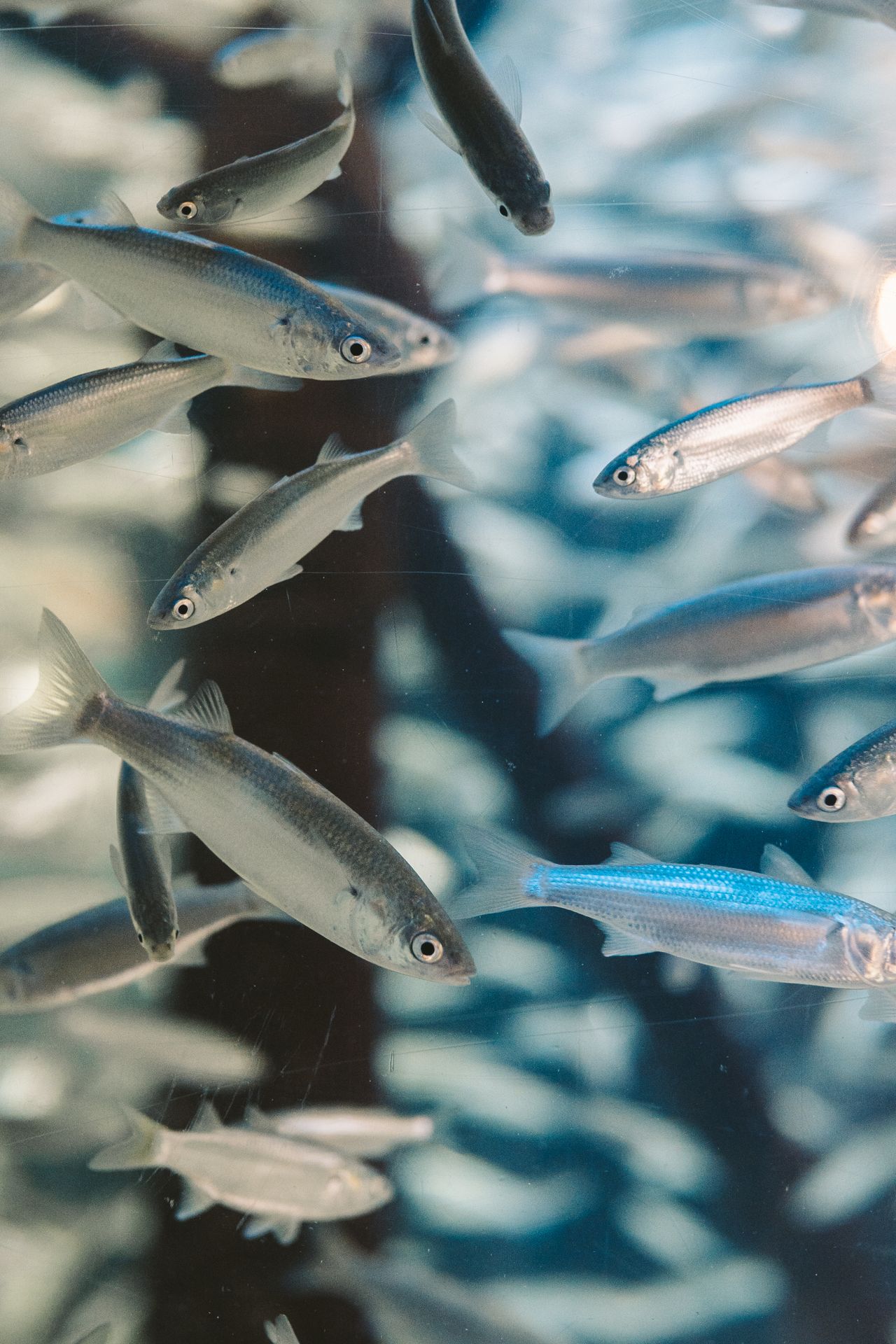
- Greenbacks (scaled sardines / whitebait): The premium inshore bait. Every gamefish eats them.
- Threadfin herring: Bigger, oilier — a top tarpon and kingfish bait.
- Pilchards: Cousin of the greenback, equally deadly.
- Pinfish & mullet: Tougher, longer-lasting, great for bottom fishing and big snook/reds.
Finding the Bait
You catch bait on shallow grass flats, usually in 2–4 feet of water — shallow enough that the school can’t dive under your net. Go at first light, when bait flicks and dimples the surface. The two biggest tells:
- Diving birds — terns and pelicans working an area mean bait below.
- Surface “nervous water” and flickering — the shimmer of a bait school just under the surface.
Chum Them Up, Then Throw
The pros rarely throw blind. They anchor or drift over a likely flat, then chum — a bait-specific chum (or a simple mix of canned jack mackerel, tropical fish flakes, and menhaden oil) tossed out in a tight slick. Within minutes, greenbacks pile up behind the boat, flicking on the surface in a tight ball. Then you throw your net right on top of them.
Keeping Bait Alive — This Is Where Everyone Fails
Catching bait is half the job; keeping it frisky is the other half. Greenbacks are fragile and need clean, cool, oxygen-rich, circulating water. Rules to live by:
- Round livewell: A rounded or oval well lets bait swim in a circle. Square corners kill bait.
- Fresh flowing water: Run your pump constantly — bait burns through oxygen fast, especially in hot summer water.
- Don’t overcrowd: Too many baits in one well and they all die. Less is more.
- Cull the dead ones: One dead bait fouls the water and starts a chain reaction. Scoop them out immediately.
- Beat the heat: A frozen water bottle (not loose ice) helps keep summer well temps down without shocking the bait.
A Quick Note on Rules
You’ll need a Florida saltwater fishing license to cast-net bait (unless exempt), and cast nets have size limits in some areas. Most common baitfish (greenbacks, pilchards, pinfish) are unregulated for personal bait use, but always confirm current cast-net and baitfish rules for your county at MyFWC.com.
Bottom Line
A full livewell of lively greenbacks is the closest thing to a cheat code in Florida inshore fishing. Find the flats at dawn, chum them tight, throw a fine-mesh net, and baby your bait with clean, cool, circulating water. Do that and you’ll out-fish everyone throwing lures — every single trip. New to all this? Start with our beginner’s guide to Florida inshore fishing.
Disclosure: some links here are paid. Buy or book through one and we earn a commission at no extra cost to you — it never affects which gear or captains we recommend. As an Amazon Associate we earn from qualifying purchases.