Some links below are affiliate links — buy through them and we may earn a small commission at no extra cost to you. We only point you toward gear we’d actually tie on ourselves.
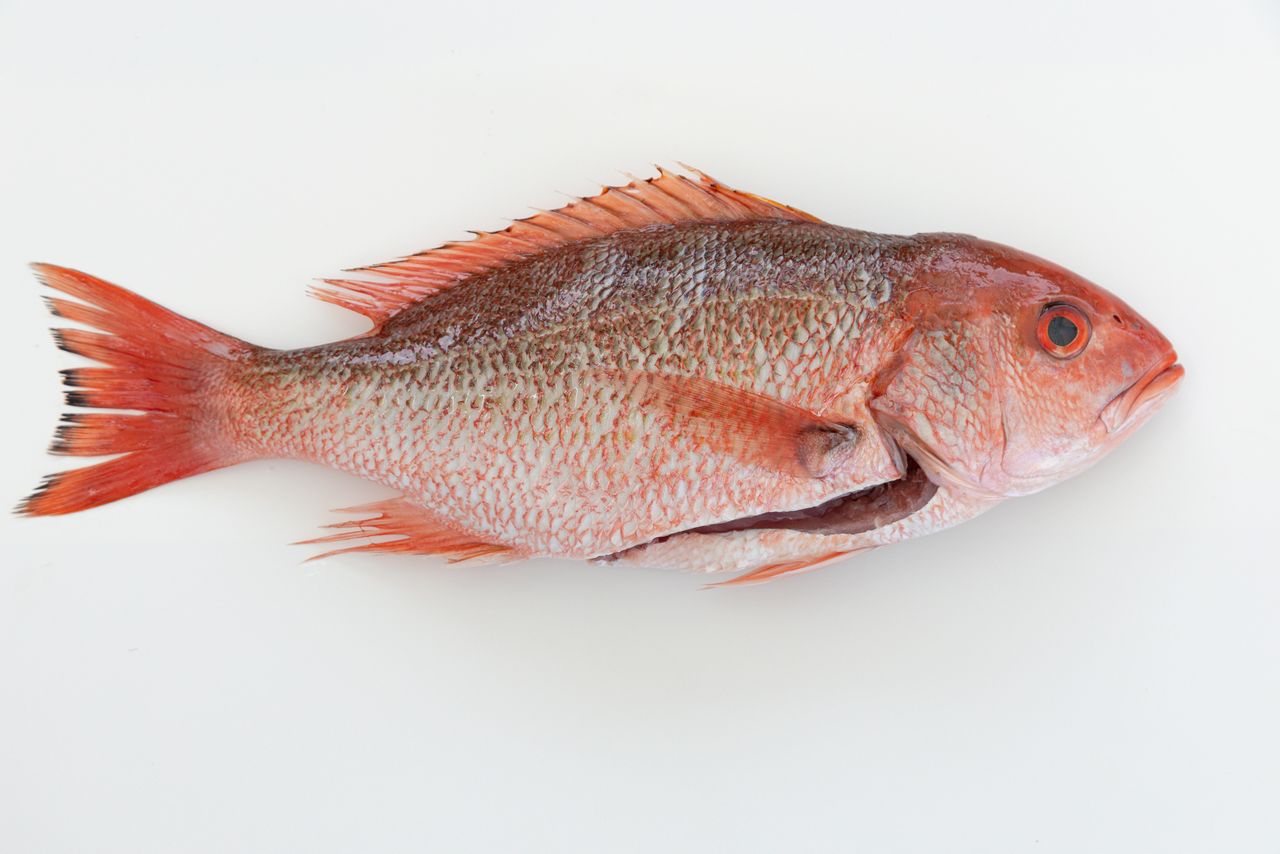
If you fish Florida’s Atlantic coast and you’re confused about red snapper right now, you’re not alone. The 2026 season went from “best in over a decade” to “postponed” almost overnight. Here’s the plain-English version of what happened, what it means, and how to stay legal.
The Big Picture: A Massive Expansion — On Paper
Earlier this year, Governor DeSantis and the FWC announced a 39-day Atlantic red snapper season for 2026 under an Exempted Fishing Permit (EFP) — a jump of more than 1,800% over the two-day federal season anglers got in 2025. The plan also handed Florida state management of the recreational Atlantic fishery in both state and federal waters. For a fishery that’s been choked down to a long weekend for years, it was a huge deal.
What Happened: The Court Stepped In
Just hours before the season was set to open on May 22 (Memorial Day weekend), a federal court in Washington, D.C. granted a preliminary injunction halting the Exempted Fishing Permits that authorized the expanded South Atlantic seasons. The FWC withdrew the executive order tied to the EFP, and the expanded Atlantic season was effectively put on pause.
Where It Stands Now
As of late June 2026, the expanded Atlantic state-management season is postponed — it is not open under the 39-day plan, and the fall dates that were tied to the EFP are in limbo. The ruling affects Atlantic federal waters; the FWC has stated it does not change the Gulf season. Because the legal situation is still developing, the single most important thing you can do is check the current status directly with FWC before you target or keep an Atlantic red snapper. Verify at the FWC Atlantic red snapper page — it’s updated as the situation changes.
Don’t Confuse the Atlantic With the Gulf
This is where a lot of anglers trip up: the Gulf and Atlantic are managed completely separately. The court ruling did not touch the Gulf. The Gulf private-recreational season is open through July 31, with a 2-fish-per-person limit and a 16-inch minimum — and 2026 is the longest Gulf season on record. If you’re fishing out of the Panhandle, Big Bend, or Southwest Florida, you’re good to go. We break down all the Gulf details in our Florida red snapper season guide.
How to Be Ready When the Atlantic Opens
Whenever the Atlantic season does get sorted out, the windows are short — so be rigged and ready. Red snapper hold on the same offshore structure as the rest of the reef crew: ledges, wrecks, and artificial reefs in 60–120+ ft. A stout bottom outfit like a Penn Carnage III rod with a Penn Spinfisher VII 5500 (or step up to a Shimano Saragosa 8000 for the deeper stuff) handles them. Rig non-stainless circle hooks on a knocker or Carolina rig with cut bait or live pinfish.
One non-negotiable: federal reef-fish rules require a descending device or venting tool rigged and ready on board, plus non-stainless circle hooks and a dehooking tool. Proper release of short fish keeps the fishery — and your season — healthy.
Bottom Line
Florida fought for a much bigger Atlantic red snapper season, and the courts hit pause. The expanded season is on hold, the Gulf is unaffected and open through July 31, and the smart move is to verify the current Atlantic status with FWC before every trip. We’ll update this page as the situation develops. In the meantime, point the bow toward the Gulf or chase the mahi and snapper that are wide open right now — see the offshore hub for more.
While the Atlantic stays closed, the rest of Florida’s snapper fishing is wide open. Our complete Florida snapper fishing guide covers every species, the 2026 limits, and where to go.
Disclosure: some links here are paid. Buy or book through one and we earn a commission at no extra cost to you — it never affects which gear or captains we recommend. As an Amazon Associate we earn from qualifying purchases.